Comprehensive Guide to Cyber Security: Protecting Data in a Digital Age
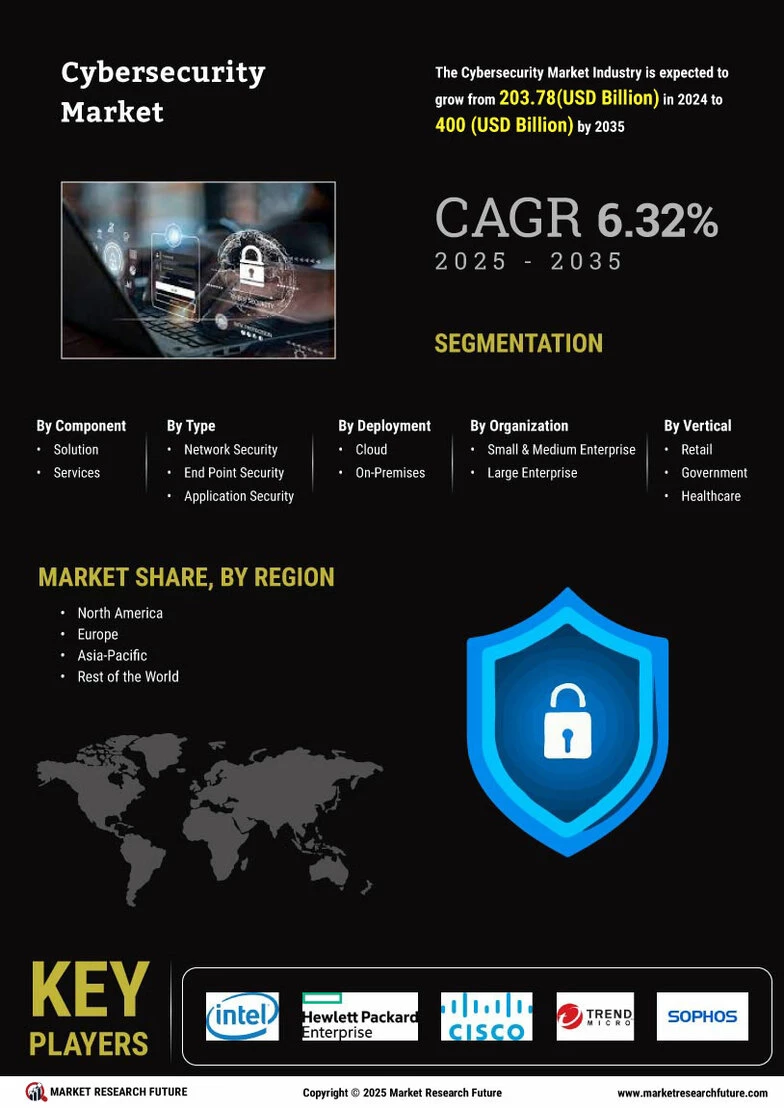
Cyber security is crucial in safeguarding personal, corporate, and governmental data from cyber threats. As technology advances, so do hacking techniques, making robust security measures essential. Cyber attacks can lead to financial loss, identity theft, and reputational damage. Protecting sensitive information requires a combination of advanced software, employee training, and strict policies. Organizations must stay vigilant against evolving threats like ransomware, phishing, and malware. Cyber security also ensures the integrity and availability of data, preventing unauthorized access and data breaches. In an interconnected world, a single vulnerability can compromise entire systems. Therefore, investing in cyber security is no longer optional but a fundamental aspect of operational resilience and trustworthiness. Regular updates, monitoring, and incident response plans are vital components of effective cyber defense strategies.
Common Types of Cyber Threats and How to Recognize Them
Cyber threats are diverse and constantly evolving, with common types including malware, phishing, ransomware, and denial-of-service attacks. Malware is malicious software designed to damage or disrupt systems, often delivered via infected links or attachments. Phishing attacks trick users into revealing sensitive information through fake emails or websites. Ransomware encrypts data and demands payment for its release, posing a severe threat to businesses. Denial-of-service attacks overwhelm servers, causing service outages. Recognizing these threats involves awareness of suspicious emails, unexpected links, or unusual system behavior. Implementing multi-factor authentication, regular software updates, and employee training helps mitigate risks. Staying informed about current threat trends and maintaining a proactive security posture are essential for defense. Early detection and swift response can significantly reduce the impact of cyber threats.
Essential Cyber Security Best Practices for Businesses
Implementing effective cyber security practices is vital for protecting business assets and customer data. Start with strong password policies, requiring complex, unique passwords for all accounts. Enable multi-factor authentication to add an extra security layer. Regularly update and patch all software to fix vulnerabilities. Conduct employee training to recognize phishing attempts and safe online practices. Backup critical data frequently and store copies securely offsite. Limit access privileges based on roles to minimize potential damage from insider threats. Use firewalls and intrusion detection systems to monitor network traffic. Develop and test an incident response plan to address security breaches promptly. Vigilance, continuous monitoring, and a culture of security awareness form the foundation of resilient cyber defenses for any organization.
Source:
https://www.marketresearchfuture.com/reports/cyber-security-market-953
Comprehensive Guide to Cyber Security: Protecting Data in a Digital Age
Cyber security is crucial in safeguarding personal, corporate, and governmental data from cyber threats. As technology advances, so do hacking techniques, making robust security measures essential. Cyber attacks can lead to financial loss, identity theft, and reputational damage. Protecting sensitive information requires a combination of advanced software, employee training, and strict policies. Organizations must stay vigilant against evolving threats like ransomware, phishing, and malware. Cyber security also ensures the integrity and availability of data, preventing unauthorized access and data breaches. In an interconnected world, a single vulnerability can compromise entire systems. Therefore, investing in cyber security is no longer optional but a fundamental aspect of operational resilience and trustworthiness. Regular updates, monitoring, and incident response plans are vital components of effective cyber defense strategies.
Common Types of Cyber Threats and How to Recognize Them
Cyber threats are diverse and constantly evolving, with common types including malware, phishing, ransomware, and denial-of-service attacks. Malware is malicious software designed to damage or disrupt systems, often delivered via infected links or attachments. Phishing attacks trick users into revealing sensitive information through fake emails or websites. Ransomware encrypts data and demands payment for its release, posing a severe threat to businesses. Denial-of-service attacks overwhelm servers, causing service outages. Recognizing these threats involves awareness of suspicious emails, unexpected links, or unusual system behavior. Implementing multi-factor authentication, regular software updates, and employee training helps mitigate risks. Staying informed about current threat trends and maintaining a proactive security posture are essential for defense. Early detection and swift response can significantly reduce the impact of cyber threats.
Essential Cyber Security Best Practices for Businesses
Implementing effective cyber security practices is vital for protecting business assets and customer data. Start with strong password policies, requiring complex, unique passwords for all accounts. Enable multi-factor authentication to add an extra security layer. Regularly update and patch all software to fix vulnerabilities. Conduct employee training to recognize phishing attempts and safe online practices. Backup critical data frequently and store copies securely offsite. Limit access privileges based on roles to minimize potential damage from insider threats. Use firewalls and intrusion detection systems to monitor network traffic. Develop and test an incident response plan to address security breaches promptly. Vigilance, continuous monitoring, and a culture of security awareness form the foundation of resilient cyber defenses for any organization.
Source: https://www.marketresearchfuture.com/reports/cyber-security-market-953










 Italiano